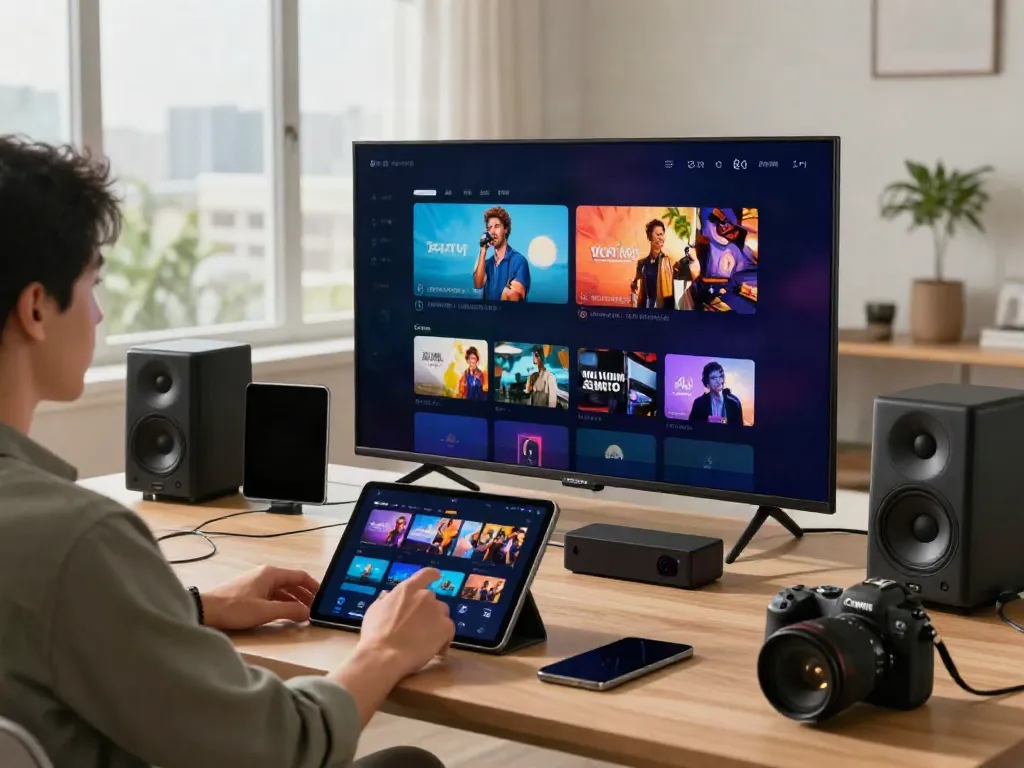
Understanding IPTV: What is it and How Does it Work?
Internet Protocol Television (IPTV) has revolutionized how viewers access and consume television content. By utilizing internet protocols, IPTV allows users to stream live television channels and on-demand content over broadband connections, making it a flexible alternative to traditional cable and satellite services. This technology not only offers a more extensive selection of programming but also enhances viewing flexibility, catering to modern audiences who prefer watching content on various devices.
Defining IPTV and Its Formats
IPTV can be segmented into three primary formats: live television, time-shifted television, and video on demand (VOD). Live television allows users to stream channels in real time, mirroring the traditional broadcasting experience. Time-shifted television, on the other hand, offers users the ability to watch previously aired content at their convenience. Lastly, VOD enables users to select from a library of films, series, and shows, making it an incredibly user-friendly option.
Key Benefits of Using IPTV
- Cost-Effectiveness: IPTV services often come at lower prices compared to traditional cable subscriptions.
- Flexibility: Users can access content on various devices, including smart TVs, tablets, and smartphones.
- Wide Selection: Offers a vast library of channels and on-demand content, allowing users to tailor their viewing experience.
- High-Quality Streaming: Many IPTV providers offer streaming in 4K, HD, and SD formats, ensuring a top-notch viewing experience.
How IPTV Differs from Traditional Cable Services
Unlike traditional cable, which relies on complex infrastructure and physical connections, IPTV leverages internet connectivity, which can often lead to a smoother and more reliable viewing experience. Users are no longer tied to rigid programming schedules or limited to a set number of channels, making IPTV a more attractive option for today’s digital consumers. Furthermore, with providers offering test iptv, users can evaluate the service before fully committing.
Testing IPTV: The Essential Steps for Setup
Testing your IPTV service is a crucial step to ensure that the quality of streaming meets your needs. This process helps verify your internet connection stability, assess content availability, and confirm device compatibility. Below, we outline the essential steps for conducting an effective IPTV test.
How to Conduct a test iptv for Streaming Quality
- Check Internet Speed: Ensure your broadband connection meets the minimum requirements for streaming, typically at least 10 Mbps for HD content.
- Use a Reliable IPTV Provider: Select a reputable IPTV service that offers a free test period or trial, allowing you to evaluate the service before a full subscription.
- Test Multiple Devices: Check the service across various devices to ensure compatibility and consistent quality. This includes smart TVs, laptops, and mobile devices.
- Monitor Buffering Issues: During your test, note any periods of buffering or interruptions, which could indicate poor service performance.
Common Issues Encountered During IPTV Testing
Users may face several challenges when testing IPTV services, including:
- Inconsistent Streaming Quality: This may arise from bandwidth fluctuations during peak usage times.
- Compatibility Problems: Not all devices support every IPTV service, leading to potential setup issues.
- Limited Channel Availability: Some services may restrict access to specific channels based on geographical locations or licensing agreements.
Recommended Tools for Effective IPTV Testing
Several tools can enhance your IPTV testing experience, including:
- Speed Test Applications: Use services like Ookla Speedtest to measure your internet speed accurately.
- IPTV Checker Tools: These online platforms can help verify if your selected IPTV streams are live and performing well.
- Device Compatibility Checkers: Ensure your device supports the IPTV provider's streaming format before subscribing.
Choosing the Right IPTV Subscription Plans
The growing landscape of IPTV providers offers a range of subscription plans tailored to fit diverse user needs. However, navigating these options can be daunting. Here’s how to identify the right plan for you.
Comparing Popular IPTV Subscription Options in 2026
In 2026, various IPTV service providers offer a spectrum of plans ranging in features, such as:
- Monthly Plans: Ideal for users who wish to try out a service without a long-term commitment.
- Quarterly and Yearly Plans: Generally provide cost savings for users committing to longer terms.
- Family Packages: Allow multiple devices to access simultaneous streams at a discounted rate.
Evaluating Cost vs. Content Availability
When assessing IPTV plans, consider the following:
- Channel Lineup: Ensure the service includes your favorite channels.
- Content Library: Look for additional content such as movies and series that add value.
- Customer Support: Assess the quality of customer support services provided, as this can greatly affect your overall experience.
How to Choose the Best IPTV Plan for Your Needs
To select the most suitable IPTV plan:
- Identify Your Viewing Habits: Determine how often you watch television and what content matters most to you.
- Utilize Free Trials: Take advantage of free trials to gauge service quality and content accessibility.
- Read Reviews: User testimonials can provide valuable insights into service reliability and customer satisfaction.
Customer Experiences: Testimonials and Feedback
Understanding customer experiences can provide further insights into the reliability and quality of IPTV services. Here’s a breakdown of aspects frequently highlighted by users.
Real User Reviews and Ratings of IPTV Services
Reviews from current users often cite the following:
- Stream Quality: Many users report high satisfaction with streaming quality, especially during live sports events.
- User Interface: An intuitive interface enhances the viewing experience, making navigation straightforward.
- Device Compatibility: Successful streaming on a variety of devices is commonly praised.
Identifying Common Pain Points Among Users
Despite the advantages, some users experience challenges, such as:
- Technical Issues: Occasional connectivity or configuration problems can arise.
- Content Gaps: Users may want certain channels or shows that are not included in their subscription.
Success Stories: How IPTV Enhanced Viewing Experiences
Successful transitions to IPTV often feature stories of improved viewing experiences, where customers found that they could access a wider variety of content at a lower price than with traditional services.
The Future of IPTV: Trends and Predictions for 2026
The IPTV landscape is evolving rapidly, with several emerging trends expected to shape the industry significantly in the coming years.
Emerging Technologies and Their Impact on IPTV
As technology continues to advance, several innovations are anticipated to influence IPTV services:
- AI and Personalization: Artificial intelligence will likely enable providers to offer personalized content recommendations based on individual viewing habits.
- Enhanced Streaming Protocols: Future streaming protocols will improve quality and reduce latency, contributing to a more seamless viewing experience.
Future Content Delivery Models in IPTV Services
IPTV is moving towards more flexible content delivery models, including:
- Ad-Supported Streaming: Free or lower-cost models funded by advertisements are likely to become more common.
- Subscription Bundles: Combining various services into comprehensive packages may appeal to cost-conscious consumers.
Expert Insights on the Growing IPTV Market
Experts predict that the IPTV market will continue to grow, driven by consumer demand for flexibility and diverse content. As more viewers shift from traditional cable services, the competition among IPTV providers will spur innovations and improvements.
What is a test iptv and why is it important?
A test iptv allows users to assess the reliability and performance of an IPTV service before committing to a subscription. This testing phase is vital, ensuring the quality of streams and compatibility with devices.
Can I perform an IPTV test before subscribing?
Yes, most reputable IPTV providers offer free trials or test periods to assess service quality, allowing potential customers to make informed decisions based on their testing experience.
How do I troubleshoot IPTV connection issues?
If you encounter connection issues, first check your internet speed. Restarting your device and router can also resolve many basic connectivity problems. If issues persist, contacting customer support for assistance is recommended.
What features should I look for in an IPTV service?
When choosing an IPTV service, consider the channel lineup, video quality options (4K, HD, SD), compatibility with your devices, and the availability of customer support.
Is IPTV legal and safe to use?
IPTV is legal when operated by legitimate service providers. Always ensure the provider you choose is licensed and compliant with local regulations to guarantee safe and legal access to content.